Placemaking or Making Sense of Place
How We Create Places That Mean Something
“Placemaking” gets thrown around a lot these days. It’s become a buzzword used by developers, city planners, and designers alike—a catch-all for everything from pop-up parks to public art to branded districts. But for all its good intentions, the term can sometimes feel surface-level, like something done to a place rather than discovered within it.
At OMFGCO, we talk less about placemaking and more about making sense of place—because before you can make a place, you have to understand it.
At OMFGCO, we talk less about placemaking and more about making sense of place—because before you can make a place, you have to understand it.

Sense of Place is an Emotional Connection
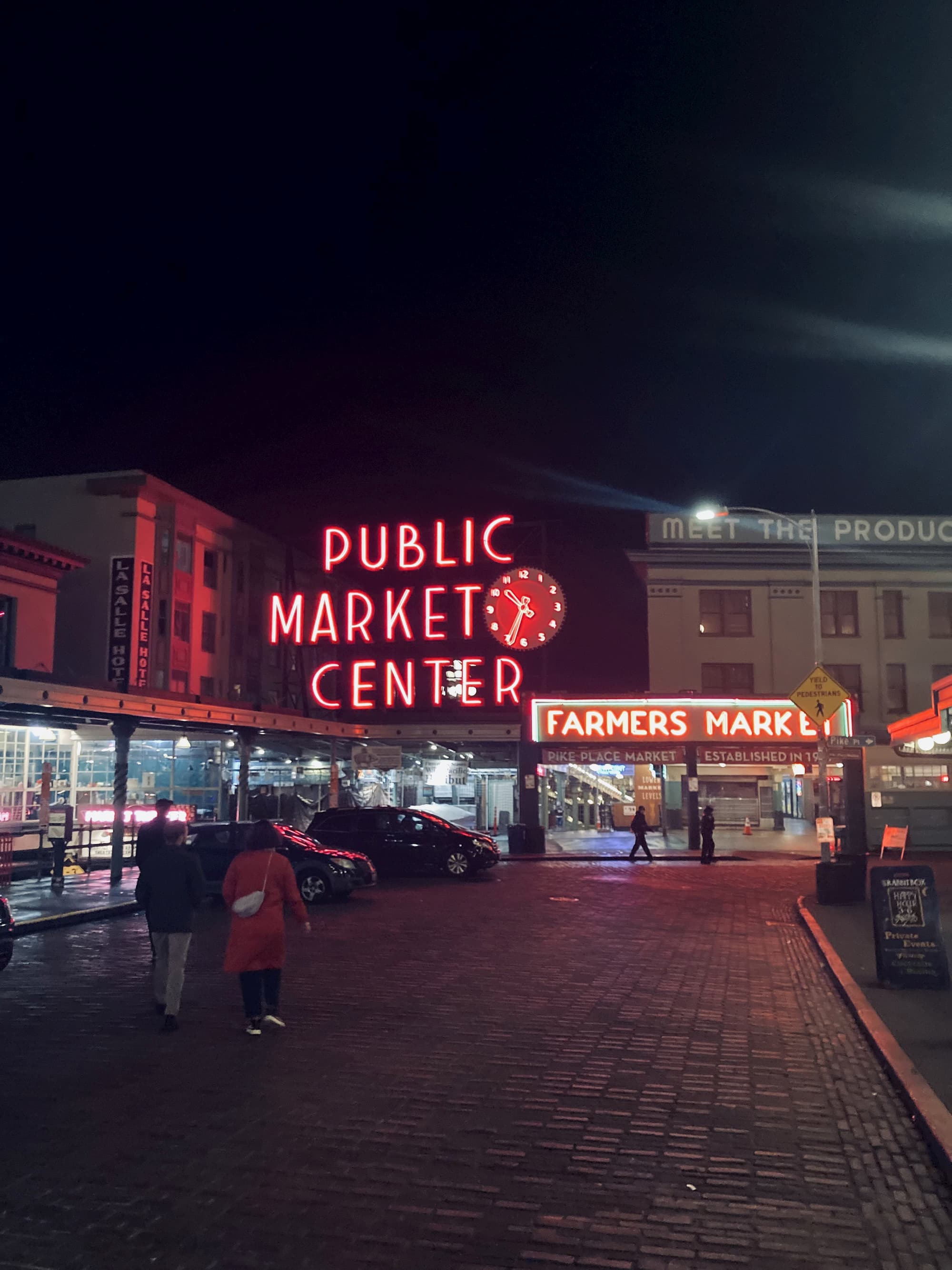
Sense of place is what makes somewhere feel distinct and memorable—the invisible layer that tells you where you are, and maybe even who you are, when you’re there. Whether it’s the smell of the ocean with a hint of sargasm in Key West, the sound of boots on a hardwood floor in Montana, or the glow of a neon sign reflected in wet Seattle streets, it’s the feeling that tells you that you’re somewhere.
It’s not just geography or architecture—it’s the emotional connection between people and their surroundings. That connection is what turns a space into a place, and a place into part of someone’s story.
It’s not just geography or architecture—it’s the emotional connection between people and their surroundings. That connection is what turns a space into a place, and a place into part of someone’s story.

That emotional layer isn’t something you can paint on; it’s something you uncover. Too often, placemaking is treated as an overlay, something added after the fact to create a sense of “authenticity“: a mural here, a tagline there. But true placemaking can’t be imposed; it must emerge.
We start with research. By learning the physical, cultural, historical, and commercial context that makes a location unique. By understanding who it’s for, what it’s been, and what it wants to become. And by getting beneath the surface, experiencing it from all sides, talking to locals, and deeply listening to what they say, so we can see what they see. Only then can we translate that meaning into strategy, story, and design that resonates, inside and out.
When done right, placemaking isn’t a style or a checklist. It’s a process of attunement. It’s about revealing the character that already exists, and giving it form through branding, interiors, and experience.
We start with research. By learning the physical, cultural, historical, and commercial context that makes a location unique. By understanding who it’s for, what it’s been, and what it wants to become. And by getting beneath the surface, experiencing it from all sides, talking to locals, and deeply listening to what they say, so we can see what they see. Only then can we translate that meaning into strategy, story, and design that resonates, inside and out.
When done right, placemaking isn’t a style or a checklist. It’s a process of attunement. It’s about revealing the character that already exists, and giving it form through branding, interiors, and experience.
FROM SPACES TO PLACES
Our work takes us to cities that couldn’t be more different—and that’s the point.
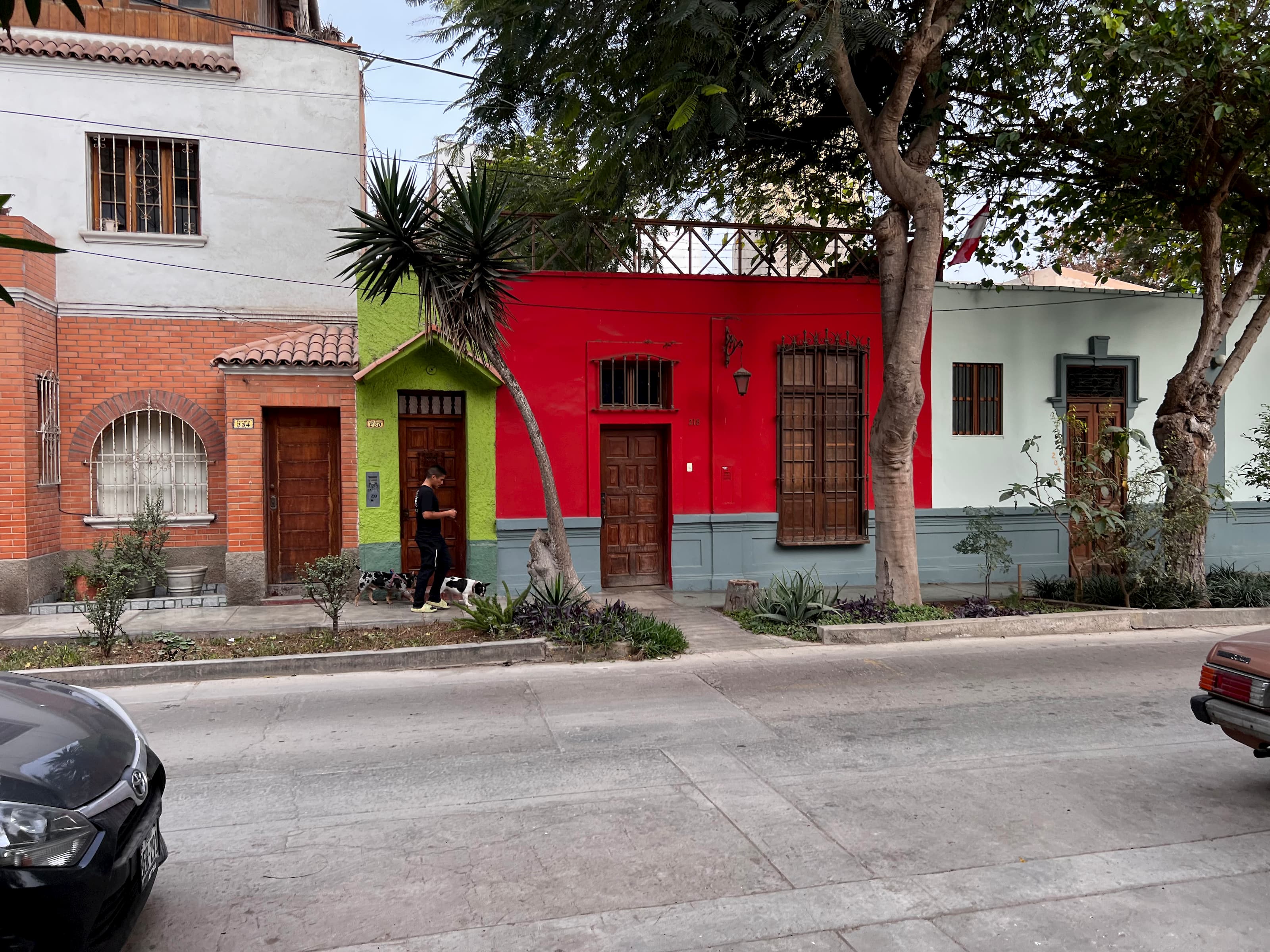
In Lima, Peru, Popurrí is a high-end food hall in the San Isidro neighborhood that celebrates the diversity of Peruvian cuisine and reflects the city’s deep cultural and culinary blend. Lima is a crossroads of influences, where indigenous ingredients and traditions have been shaped by centuries of Spanish, African, Chinese, and Japanese migration. It’s why you’ll find ceviche beside lomo saltado, or tiradito, sharing a counter with bao. We shaped Popurrí’s brand to mirror that mix—vibrant, layered, and unexpected.
In Lima, Peru, Popurrí is a high-end food hall in the San Isidro neighborhood that celebrates the diversity of Peruvian cuisine and reflects the city’s deep cultural and culinary blend. Lima is a crossroads of influences, where indigenous ingredients and traditions have been shaped by centuries of Spanish, African, Chinese, and Japanese migration. It’s why you’ll find ceviche beside lomo saltado, or tiradito, sharing a counter with bao. We shaped Popurrí’s brand to mirror that mix—vibrant, layered, and unexpected.
Beneath it lies Bar Velvet, a hidden cocktail lounge inspired by the late-1970s New York art-club scene. We developed the brand to capture that era’s underground energy—equal parts bold and elusive, grit and sophistication. Bar Velvet feels like stepping into another world—an intentional contrast that heightens the sense of discovery within Popurrí’s bustling energy.
Together, Popurrí and Bar Velvet show that making sense of place isn’t always about staying literal. Sometimes it’s about creating tension and contrast—rooting something transportive within something local—to make the experience more memorable. With all of these concepts we say, “it’s either here or there.” Here is grounded in its surroundings. There is a portal to another place.
Together, Popurrí and Bar Velvet show that making sense of place isn’t always about staying literal. Sometimes it’s about creating tension and contrast—rooting something transportive within something local—to make the experience more memorable. With all of these concepts we say, “it’s either here or there.” Here is grounded in its surroundings. There is a portal to another place.
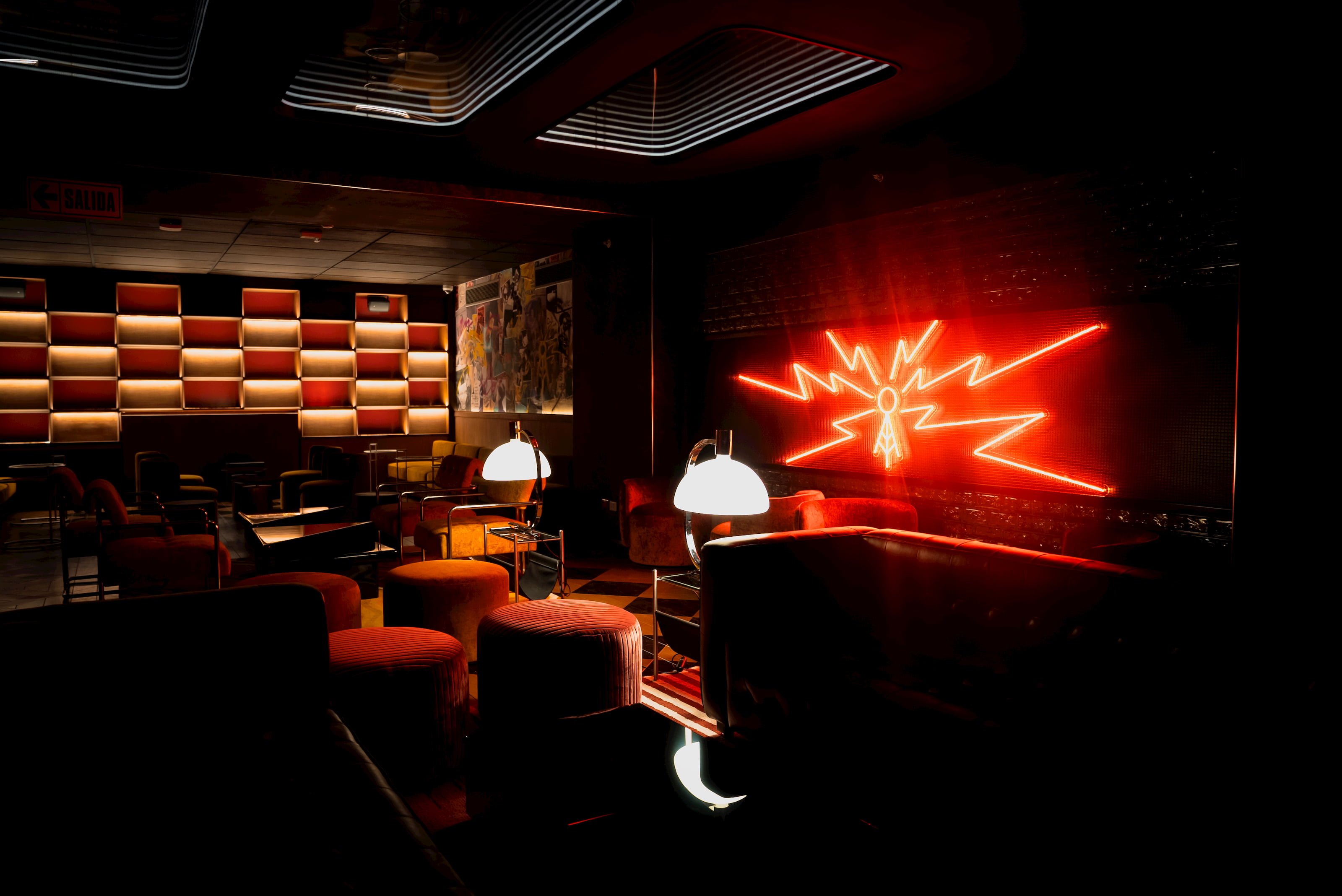
With all of these concepts we say, “it’s either here or there.” Here is grounded in its surroundings. There is a portal to another place.
%20-%20digital.jpg)
Across the world in Singapore, New Bahru reimagines a historic high school as a creative campus filled with one-of-a-kind retail, dining, and entertainment experiences. Our work there bridges the old and the new—crafting a brand identity and wayfinding system that honors the site’s cultural roots while signaling its future. It’s placemaking as storytelling: revealing a neighborhood’s next chapter without erasing its past. And the brand, like the property itself, is flexible—designed to evolve with whatever it contains.
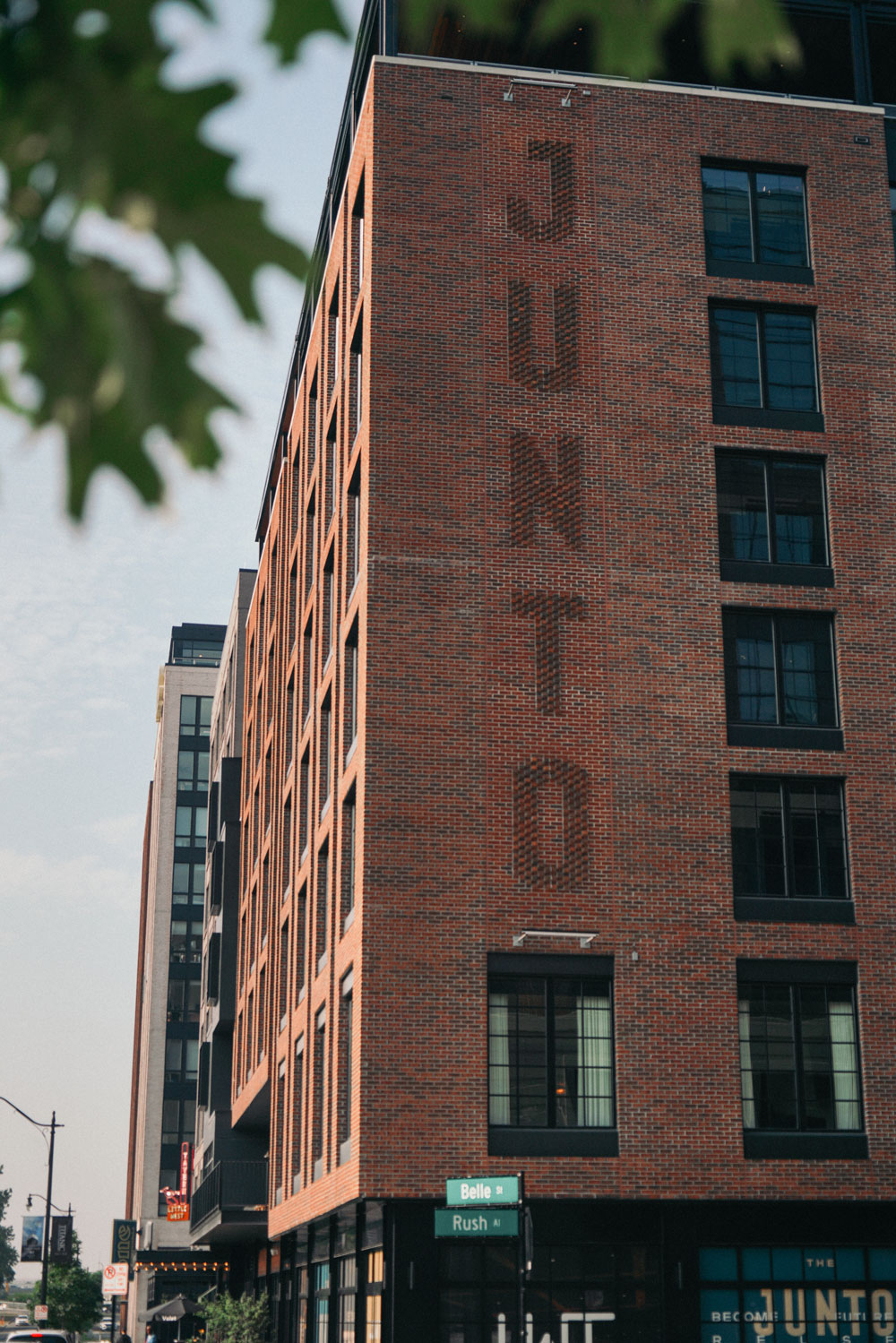
In Columbus, Ohio, The Junto stretches what a hotel can be. Named after Benjamin Franklin’s 18th-century ‘club for mutual improvement,’ the brand and interior were built around curiosity, connection, and the exchange of ideas. We helped create a hospitality experience that feels civic in spirit—a place that invites guests and locals alike to gather, think, and share. The Junto embodies placemaking not simply as aesthetic, but as an ethos: a place that works beautifully and meaningfully, bringing people together through purpose.
Together, these projects show that making sense of place isn’t about imitation—it’s about resonance. Every place already has a story. Our job is to help find it, and then bring it to life in just the right way.
Together, these projects show that making sense of place isn’t about imitation—it’s about resonance. Every place already has a story. Our job is to help find it, and then bring it to life in just the right way.
Making Sense of Place
Simply put, we help owners, operators, and developers make sense of place through research, storytelling, branding, and interior design. The result is more than a cohesive brand or beautiful space—it’s an emotional connection. The kind that draws people in, keeps them coming back, and makes them feel like they belong.
We may not call ourselves placemakers, but that’s what we do, just with more intention. Because when a place makes sense, people not only feel it—they carry it with them long after they leave.
We may not call ourselves placemakers, but that’s what we do, just with more intention. Because when a place makes sense, people not only feel it—they carry it with them long after they leave.
